Showing posts with label #permaculture. Show all posts

Saturday, November 1, 2014

Happy New Year Revolutionaries

Happy New Year, and welcome to a new revolution! One year ago today I began One Earth Revolution to see what could be accomplished for our planet in one year along with the help of my family and friends. I will be honest, it has been a slow start. There have been some personal and logistical challenges, but I also have a sense of real progress.  I have seen myself and my family begin to truly live by ethics and principles which we believe will help to sustain our community and our planet well into the future. We have become involved in many groups that are rebuilding the sense of community in our town and are actively working to create a future for our village which is both economically and environmentally sustainable, and not only sustainable but bountiful without being damaging to our ecology. This year has also seen the conversation of sustainability and a post carbon future really making inroads in the mainstream media. While there are still many naysayers and not a few people who staunchly refuse to remove their blinders and see the coming storm, we have begun to see real evidence that people are beginning to awaken  to the real dangers of climate change.  There is so much more to be done!

This weekend Hubby and I have spent two days in contemplation and meditation on our property, on our planet, and on  our personal feelings and goals surrounding both. We spent a day being grateful for the achievements and blessings of the past year and letting go of anything that happened during the past year that we do not want to bring forward with us. We spent today looking forward to the challenges and promises of the coming year. 

This year I finished my permaculture design certification and I'm now saving up for the advanced class. Meanwhile our homestead continues to take shape and we begin to see the real beginnings of the permaculture demonstration sight that we would eventually like to have here. In the coming year we plan to install cold frames, expand the plantings in our fledgling food forest, erect a greenhouse and so much more. Stay tuned for an Indiegogo campaign announcement early in the calendar year. 

And One Earth Revolution? We've got plans for you too. We'll be better than ever with field trips, regular feature pieces on the permaculture ethics and principles, recipe share, farm hacks and so much more. We may even have a podcast in store for you. So stay tuned here and you'll be in the know about everything that's happening on the farm and with The (R)evolution. 

Thursday, September 4, 2014

Miracle Mushrooms - How Mycelium can Help us Save the World


Mushrooms are the fruiting bodies of organisms known as fungi. The vegetative portions of the fungus, or the "plant" if you will, are the mycelium which grow in soil and on other substrates such as wood or decaying plant matter. They remain unseen or unnoticed by most of us during the course of our daily lives, and yet, these amazing organisms are some of the largest on the planet. They perform multiple functions within both natural and man-made systems and; they may be one of the key components in solving a variety of environmental issues which are plaguing our planet and putting the future of humanity in question.

As mycelium grow they produce enzymes which help to break down organic compounds. By so doing they help to recycle nutrients back into the food web so that they can be taken up by other plants and organisms. Plants and fungi form symbiotic relationships exchanging nutrients and water. Some studies have shown that plants benefit from and are more productive when growing in proximity with certain fungi. Additionally certain fungi help to protect the plants from pathogens that might otherwise attack the plants. 

Mycelium can be used as both sponges and filters in various environmental protection and clean up efforts. Researches such as Paul Stamets, author of Mycelium Running, have investigated some amazing and potentially life changing uses for mushrooms, from the digestion of disposable diapers to soil clean up following oil or chemical spills. Mr Stamets has also demonstrated the use of mycelium in the organic control of certain insects pests. 

Mycelium are also being used to replace synthetic compounds in packaging. Companies such as Ecovactive Design are creating a variety of packaging materials and insulation that are environmental, economical, durable and yet compostable. One of the great things about these mushroom based packaging materials is that they can replace styrofoam which is one of the worst culprits in the world of packaging in terms of its negative impacts on human life and the environment. 

And lest you think that mushrooms are just the latest space-age panacea, remember that people have been using mushrooms for thousands of years as both food and medicine. Mushrooms contain protein and other valuable nutrients and some mushrooms, such as the turkey tail mushroom, have been used to fight cancer. But even in the food arena, mushrooms have their space-age applications. Knowing the horrific impact the industrial meat processing industry has on our environment and knowing the abysmal conditions of the animals which are processed through this system has driven many people to seek alternatives which will allow them to maintain a level of texture and variety in their diet that they might not otherwise be able to achieve with traditional vegetarian fare. There is an answer. A variety of healthy, economical and really quite tasty meat substitutes are being made from mushrooms and mycelium. 

The humble mushroom has become a source of wonder and fascination for me. With all the amazing uses we have found for these simple organisms, one wonders how many more we will discover and what other positive impacts they might have for protecting life on this planet. 


Friday, July 4, 2014

Sustainability and Local Agriculture in the News

A beautiful garden in Arundel, Maine


It is refreshing to see the growing interest and focus on sustainability in both print and broadcast media. In a society where so much of our news can be sensationalistic tripe, it's nice to get some good news on occasion. Local public radio stations and college stations across the country and around the world now have regular sustainability features. Sustainability podcasts are growing in both popularity and availability, and print media are regularly featuring articles on local and sustainable aquaculture, agro-forestry and agriculture.

A recent article in The Weekly Sentinel showcases the work of the students and teachers at the School Around Us in Arundel, Maine as they engaged in a three day hands on workshop on sustainability that created a temporary eco-village in a wooded area near the school. I recently graduated my permaculture design course with a mom of one of the school's students, and during the course had the opportunity to tour the school and surrounding community with some of the permaculture pioneers in our area. I was deeply impressed and motivated by the work that is being done there at the school and at nearby Frinklepod Farm, which is run by one of the school's early students and son of the founders of School Around US. 

Interdependence. Abundance. Resilience. Sustainability. These are all phrases that we think about when we engage in practicing the permaculture ethics of earth care, people, care, and fare shares. In backyards all around us, gardens are becoming popular again and chicken coops are popping up. It should perhaps be little surprising then when we see more an more articles dedicated to the glories of sustainable local agriculture. Of note, in this line, an article by Craig Idlebrook in the July/August 2014 issue of Northern New England Journey titled "The Egg and I"  extols the virtues of backyard egg operations in Maine and how a serendipitous stop at one such operation lead him to discover the wonders of farm fresh eggs and made him a life long fan. It is a charming article and ends with a reminder about the rewards of supporting local agriculture. Hats off to you Craig for this nostalgic and heartwarming piece. In recognition of your support of local agriculture, I would be happy to present you with a dozen eggs free of charge should you stop by my farm stand some day. 

Until next time - "Deep peace of the sleeping stones to you"

Tuesday, May 13, 2014

What I Did for Mother's Day - Hugel Happiness

My son could not believe his ears. He had to ask me again just to be sure. "You really don't want me to buy you anything for Mother's Day? You're sure?" I assured him that agreeing to help me build a hugelkultur bed was going to be more than enough for a Mother's Day gift. I'm not sure he really believed me until he spent 4 hours in the 70 Degree sun this passed Sunday building my beautiful hugelkultur bed. 


Cardboard topped with corn and sunflower stalks, dried leaves, grass clippings and kitchen scaps
First the base of the bed. In the fall we had laid down cardboard and topped that with our corn and sunflower stalks. Then we added our yard clippings and dried leaves. Over the winter we added our kitchen scraps. On top of all this we laid a lot of wood from standing dead trees that we had to take down for safety. Then we began to cover it with a load of loam that we had brought in. 

We haven't been  working our land long enough yet to have developed a large pile of well composted material for making top soil. My guys were handy carting all that soil. And this is when my son realized just what he'd got himself into. We were about 3 hours into the project at this point. I was in there wielding the shovel and hauling logs too, but I did have to pause occasionally to take the photos.

My Guys! They worked so hard!
In this last photo we are about half done with burying the woody debris. It's not quite finished yet, but we made a lot of progress. It still needs some top dressing with additional soil, compost and a good layer of straw mulch. We are going to plant medium bush blueberries on top of this mound. On the south facing side we will have sun loving strawberries, and on the north facing side we will grow shade loving greens. I can't wait to see what kind of yields we get. This and the fledgling orchard that you may notice to the right of the hugelkultur bed in some of these photos are some of our first steps toward our permaculture perennial food forest and garden. 

I will continue to post photos as the food forest progresses. Until next time - Live Light!

Wednesday, May 7, 2014

Today I'm Thankful For...


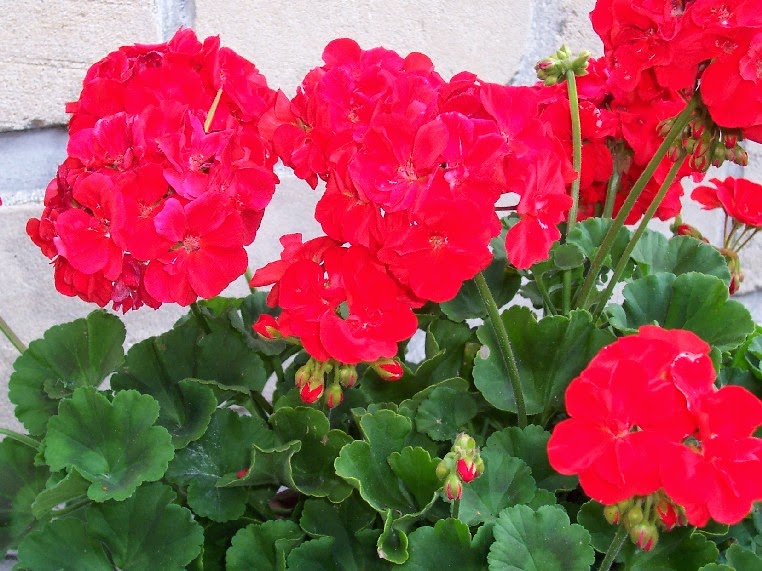
I am very thankful that I have a partner who is as excited and interested in permaculture as I am. Not everyone is lucky enough to have someone as supportive as him in their lives. He is always supportive of my efforts to save the planet, stray animals or a dollar. He recently spent a great many hours building bird houses and a bee house to attract the birds and the bees to our garden so that we could grown our own food without having it devoured by insects. He also bought me several geraniums and other herbs and plant seeds 
which I can inter-plant in our garden and under our fruit trees to discourage harmful insects and invite beneficial insects to the garden. 


I am also thankful for the members of my permaculture class who are organizing a plant swap for our final PDC weekend. I now that I will be able to get some lovely perennial plants which will be of great use in the garden.


I am particularly greatful for all the valuable knowledge I am gaining from my permaculture class, which is helping me to turn my once run down, bedraggled lawn into something worth bragging about. I now have a budding orchard of semi-dwarf fruit trees, a ten foot diameter herb garden right outside the door that produces nearly all the herbs we can eat, eight industrious little hens that provide us with more organic eggs than we can consume and a pair of charming ducks that we hope will help to control the slug population in our yard while providing hours of amusement to the other two and four legged inhabitants of the homestead. All in all I think I'm a pretty fortunate human being today. I just wanted to take this opportunity to express my gratitude for all the blessings that I have. I am also grateful for each of you who take the time to read my ramblings. I hope that I am able to provide you with something that is of value to you. Today, I am hopeful that you are able to take a few moments to reflect on what you are grateful for. As spring turns to summer and we begin to spend more time out in nature, I hope you will take some time to reflect on how fortunate ware are to have so many beautiful places that we can enjoy and experience the beauty of. Let's all work to keep them beautiful by remembering to live lightly.

Saturday, April 5, 2014

Return of Surplus - First Fruits


Today I was going to do a post on movements moving together, and I'll come back to that, because I think it is important but this morning, while feeding the compost, I was inspired to share with you an experience I had a few years ago while picking blackberries.


One of the permaculture ethics is "fair share", also referred to as "return of surplus" both terms imply several things. They imply, take only what you need and, when you have more than you need, share it with others in your community. They also imply that we should give or leave a fair share for mother earth and that we should  share the knowledge of this practice with others. If we only take and take from mother earth and never give back or replenish the soil, eventually it will be unable to produce more food to sustain us. Think of industrial agriculture as strip mining of top soil...but again I digress, we are talking about return of surplus and first fruits (and we'll come to those blackberries by and by.)

For a time we had a small bowl on our dining room table. Before a meal each of us would place a small offering from our plates into the bowl. We would also pour a small amount of our water or juice into the bowl and we would mention one thing that we were feeling thankful for that day. After the meal we would be take it out and poured it on the earth as an offering and a thanks. I miss that bowl. I want to bring it back. It is a connection to our earth that we too easily forget and it is a good reminder of thankfulness practice, which is so important in our hectic day-to-day lives. It is also a reminder that we need to think about serving the earth BEFORE we think about serving ourselves. And this brings me back to those blackberries. 

Several years ago I was out picking blackberries. There were some amazing, large, delicious, juicy fruits. I wanted to eat them all. But then I got to thinking, if I eat all of the very best berries then it will be the small, bitter and pour producing plants that reproduce and after some years all that I would have on my land would be nasty little berries that no one would really want to eat unless they had to. Now blackberries being so prolific and birds being what they are, there isn't really a very great danger of that happening too quickly, but the principle still applies and more so with other more tender, less prolific plants. And this is when I had the Aha! moment. I realized that many scriptures and folk wisdom advocate giving back the first fruits. The first fruits would be early ripening, they would also likely be some of the best. It makes complete sense. If we are going to save seed, we choose the best fruits so that we propagate the best of the specimen that we want to preserve. So seed saving is also a way of giving fair share back to the earth. But the idea here is that we need to think of giving FIRST and that we may need to make some sacrifice, but that whatever small sacrifice we make will be more than paid back by the continued fertility and fecundity of the earth. 

Wednesday, March 19, 2014

A Little Dose of Inspiration

Photo from the lexicon of sustainability
For those of us who have been struggling through a long and difficult winter, and I think that is most of us, a little dose of inspiration sounds pretty good. I came across a great video on YouTube this morning that I will share with you. I also got an email from Hubby with a link to a Mother Earth News article about urban community gardens. I know you've heard urban community garden before, but this one is different. For those of you who are actually living in an urban setting this article is definitely a good read, but those of you living in the burbs or in the country should not disdain to read it as well. I live in what might be termed burban country (lol, yes you read that correctly,) and what really impressed me about this article was how much stronger the community ties became as a result of this project and how much more content and secure the people involved felt. They were actually building community where there had been one in name only, but not in reality. 


In the video "Permaculture, a Quiet Revolution" we are taken on a journey to the 8th International Permaculture Convergence in Brazil, where over 200 permaculture design course graduates and their mentors from over 43 countries have gathered to learn and to share their experience in order to prepare for and mitigate the looming global crisis. Their goal, to create sustainability now through self reliance. The only way this goal succeeds is if we all join the (r)evolution and share the message with as many people as possible as often as possible. I hope that you will be inspired and that you will catch the permaculture bug and spread it wherever you go.

Live light! 

Sunday, March 16, 2014

For further reading and a helping of Link Soup


Sorry I missed you all yesterday. I was doing the final run through on my presentation and packing up all the things for the farmers' market. The market was a huge success and we even had a few people turn out for my talk on permaculture. Thanks to all those of you who were there. I'm just back from the talk and as promised I'm putting up my suggestions for further reading and links. Since I had already scheduled a serving of Link Soup for the post for this weekend I will append those additional links along with this and that should all come together quite nicely. Just the thing for relaxing in the easy chair with on a blustery Sunday afternoon. 


So here you go:

Suggestions for further reading:
–            Permaculture: Principles and Pathways beyond Sustainability – David Holmgren
–            Introduction to Permaculture – Bill Mollison
–            Gaia’s Garden: A Guide to Home-Scale Permaculture – Toby Henenway
–            The Resilient Farm and Homestead – Ben Falk

I should also add (though not strictly permaculture books): Deep Economy by Bill McKibben and Radical Simplicity by Jim Merkel


Link Soup:
–             SeacoastPermaculture Meetup
–             Whatifwechange.org
–             350.0rg
–             Sustainableme.me
–             One Earth (R)evolution (You are here)
-             Appropedia
-             Zones and Sectors Efficient Energy Planning

I'm updating this post to add  this great link that Hubby sent me. It gets you thinking.
-             What are we putting in our bodies?

So there you have them folks. Enjoy and I hope to see you all at a permablitz real soon. 

Saturday, March 8, 2014

A Day in the Life

Intersection repair. Community building event with Portland, OR City Repair

I''m going to walk you very briefly through a recent day in my life, in order to illustrate some very hopeful things that I see happening in my community and which I believe are starting to happen in many communities across America. Well it's really more like 28 hours, but I know you will forgive the artistic license in favor of a more catchy title. "28 Hours in the Life" just doesn't have the same ring to it. 

On Wednesday evening I attended a meeting of approximately 16 local artists. At this meeting many things were discussed including: coordinating with the local farmers' market to offer an art show in conjunction with the market, as we have been doing for the past couple of months, the opening of a new gallery and function space in a neighboring community which many of our artists are getting involved with and will be showing at, the establishment of an artists collaborative at the home and studio of one of our members which will help her to maintain and utilize the space and will give several artists space to work and to show their art, and.... It was a very productive and energetic event and it was great to see the network of relationships that is building between the folks in this group and how they are building a community within a community that helps and supports each other. Rather than competing for resources and customers, they help each other and generate buzz in the community which will attract enough customers for all.

Directly after the meeting, which was held in the public library, I spoke with the librarian and booked my second Lexicon of Sustainability popup art show! It will be at the Berwick Public Library during their 2014 Earth Day celebration. The event day has not been determined. It will either be on Earth Day (April 22) or it will be the Saturday before Earth Day. Stay tuned here for more details. I will also be giving my second introduction to permaculture presentation at that same event. 

On Thursday evening (we are now into hours 26-28) I attended a meeting of the Berwick Sustainability Committee. We had a guest speaker who came to talk with us about water protection. The meeting was very productive and we left with more knowledge about the need to protect our ground water and with a plan for how to go about starting. We are looking into resource protection ordinances of course, but we are also looking into community outreach, education and information. We plan to engage local businesses to begin rainwater collection and control projects which will set an example for the town and all residents and we already have our first test site chosen and the approval of the business owner. We will be installing a rainwater collection system and small permaculture herb garden for a local business which we can use as an example when we approach other local businesses. I'll keep you posted in the spring and share photos of the projects as they progress. Oh yes and we'll be involving those wonderful B.A.A artists in this project as well to help us design creative rain chains and other rain directing features and sculpture. So the community network grows and branches and a vibrant and active community begins to fruit and flourish. 

It is a good day ...28 hours.. to be alive and living in Berwick, Maine. I hope you see signs of a new sense of community where you live as well. 

Wednesday, March 5, 2014

Sustainable Me and One Earth Revolution Hit the Real World


I've been pretty quiet through the winter months, enjoying my CSA share and delving into research on sustainability and permaculture. Sharing with you when I found something worth the while.  As spring approaches Sustainable Me and One Earth Revolution are launching into high gear. We're taking our message out into the real world with presentations, art shows and more. Stay tuned here for more information and event calendar. Some things  you can expect: Introduction to permaculture speaking date(s), Lexicon of Sustainability Pop-up Art Show dates, and announcements surrounding the establishment of Hour Share of the Berwicks.

Here is the information on our first event:

Introduction to Permaculture speaking date: March 16th at 12:30 PM at the Berwick Town Hall. 11 Sullivan Street, Berwick, Maine 03901

This event will be held in conjunction with the Berwick Winter Farmers' Market. 

Hope to see you all there.

Monday, March 3, 2014

Waste Not Want Not - Made Pet Food Today


I said I was going to do it and I did. This evening in about a half an hour and with some leftover items that might otherwise have gone to waste I made enough pet food to feed these two little darlings for about a week. I had this half eaten duck that we had tossed in the freezer after Christmas dinner.  We figured we would do something with it before long. We had boiled the duck yesterday thinking we were going to make soup, but just weren't feeling like it last night and ended up making a simple vegetarian dinner. And then we had this casserole dish full of couscous that was a bit overcooked and mushy. So this evening I picked all the meat off the duck and pureed it in the food processor. I mixed this with the couscous and made a nice thick meat paste which I taste tested on both the cat and the dog. They lapped it up! Literally. So I figured it was a winner and proceeded to package it up in 1/4 cup servings using an ice cream scoop and some squares of wax paper. When I was all done I had about 32 patties in a gallon zip lock. 

Now I can just take a couple of patties out in the evening and put them in the refrigerator to defrost. They should be ready to go by the next morning. It will be a nice treat for the pets and will reduce my pet food bill while reducing my waste. I wouldn't give this to them every day, because I'm not sure that it would provide 100% balanced nutrition. I would recommend looking into well researched and recommended recipes on line or check with your vet, if you are planning to start providing all of your pet's food. 

This experiment just reminded me that when we use our creativity and think outside the box we can help to reduce waste and supply our own needs while saving money. I think I will probably try this again in the future with other leftovers.

Another great thing about this. Since we eat local meat and organic foods, I know that what I'm feeding my pets is just as healthy as what I'm eating myself, and that is something I can 't be assured of when I am feeding them pet food from the store or even from a local feed store for animals. 

Saturday, March 1, 2014

Saving the Soul of the Earth

The magical work of artist Bruno Torfs is featured in the film. Please visit his website. 

Today I would like to share with you  a great independent film "Anima Mundi; peak oil, climate change, permaculture and Gaia theory."  "Anima Mundi" is an artistic, spiritual and hard hitting look at the current state of the spirit of the world and an introductory instruction manual for saving the soul of the Earth. 

Please watch this movie, please listen to the lesson and please, please, share this post with as many people as you can. We need to wake up. I speak to myself as well as to all of you. Americans especially need to wake up and realize that we can not go on using resources at our current levels. The message that we need to share is that we can live completely full, happy and satisfied lives without destroying the world (and we are destroying the world). In fact we can live much happier lives with fewer things. We need to stop listening to the voices in the system that tell us that happiness is found in more and more things. We need to start listening to the voices that remind us that we had a story before cheap energy permitted the growth of our current bloated consumer economy. It was a story that was full of imagination, that created some of the greatest art, and the greatest minds, knowledge and logic the world has known. A story that was peopled with families who lived full, contented lives that did not destroy their environment.  

The fact of the matter is that we cannot continue to live a good life if we do not make changes now. This isn't the first time in human history that we have tapped out our resource base leading to desertification, massive human migration and wars of conquest. The fertile crescent was after all once a fertile region filled with cities and farms until the combination of human activity and climate changed tipped it over the edge turning it into a desolate moonscape incapable of supporting human life.  Today there are probably more than 10 times as many people on the planet as there were then and we have already expanded into all the habitable regions of the world. The world is already tipping into the area of peak resources. Not just peak oil, but gold, copper, silver and other ores and resources. As these resources become more scarce we are going to have to learn how to utilize the resources that we have already mined by much higher levels of recycling. But we will not solve the problem of peak resources just by recycling. We are also going to have to reduce our overall demand on Earth's resources. If you agree, please join the (r)evolution. 

Thursday, February 27, 2014

Leverage Points

http://www.math.nyu.edu/~crorres/Archimedes/Lever/LeverIntro.html

As some of you may know I am currently taking my permaculture design certification course. As part of the course pre-work, we were asked to read "Leverage Points, Places to Intervene in a system" by Donella Meadows. Meadows wrote this article in response to things she heard while attending a conference on the new world trade system. A system by the way, which should scare the pants off you. It is a meaty article but well worth the read.  I have excerpt a few bits here that I felt summarize the heart of the issue.  

"There was this subdivision of identical houses, the story goes, except that for some reason the electric meter in some of the houses was installed in the basement and in others it was installed in the front hall, where the residents could see it constantly, going round faster or slower as they used more or less electricity. With no other change, with identical prices, electricity consumption was 30 percent lower in the houses where the meter was in the front hall...

A more recent example is the Toxic Release Inventory — the U.S. government’s requirement, instituted in 1986, that every factory releasing hazardous air pollutants report those emissions publicly every year. Suddenly every community could find out precisely what was coming out of the smokestacks in town. There was no law against those emissions, no fines, no determination of “safe” levels, just information. But by 1990 emissions dropped 40 percent. They’ve continued to go down since, not so much because of citizen outrage as because of corporate shame. One chemical company that found itself on the Top Ten Polluters list reduced its emissions by 90 percent, just to “get off that list.”

Both of these examples demonstrate the power of information feedback. We live in what has been called the "information age". Let's take advantage of the power that information gives us in order to affect positive change. What are some ways that we can establish information feedback loops in our own lives? Are there information feedback loops missing from our neighborhoods, communities and schools that could help improve how those institutions relate to each other and to the environment?

Meadows goes on to say,  "Missing feedback is one of the most common causes of system malfunction. Adding or restoring information can be a powerful intervention, usually much easier and cheaper than rebuilding physical infrastructure...It’s important that the missing feedback be restored to the right place and in compelling form. To take another tragedy of the commons, it’s not enough to inform all the users of an aquifer that the groundwater level is dropping. That could initiate a race to the bottom. It would be more effective to set a water price that rises steeply as the pumping rate begins to exceed the recharge rate. Compelling feedback... Suppose any town or company that puts a water intake pipe in a river had to put it immediately DOWNSTREAM from its own outflow pipe. Suppose any public or private official who made the decision to invest in a nuclear power plant got the waste from that plant stored on his/her lawn. Suppose (this is an old one) the politicians who declare war were required to spend that war in the front lines."

And here's the rub: "There is a systematic tendency on the part of human beings to avoid accountability for their own decisions. That’s why there are so many missing feedback loops — and why this kind of leverage point is so often popular with the masses, unpopular with the powers that be, and effective, if you can get the powers that be to permit it to happen (or go around them and make it happen anyway)."


And here we come to the crux of the issue. The rules of the system, the strength of those rules,  who defines them and how they impact our lives and environment.   
 "The rules of the system define its scope, its boundaries, its degrees of freedom. Thou shalt not kill. Everyone has the right of free speech... If you get caught robbing a bank, you go to jail. Mikhail Gorbachev came to power in the USSR and opened information flows (glasnost) and changed the economic rules (perestroika), and look what happened. Constitutions are the strongest examples of social rules. Physical laws such as the second law of thermodynamics are absolute rules, whether we understand them or not or like them or not. Laws, punishments, incentives, and informal social agreements are progressively weaker rules.
To demonstrate the power of rules, I like to ask my students to imagine different ones for a college. Suppose the students graded the teachers, or each other. Suppose there were no degrees: you come to college when you want to learn something, and you leave when you’ve learned it. Suppose tenure were awarded to professors according to their ability to solve real-world problems, rather than to publish academic papers. Suppose a class got graded as a group, instead of as individuals.
As we try to imagine restructured rules like that and what our behavior would be under them, we come to understand the power of rules. They are high leverage points. Power over the rules is real power. That’s why lobbyists congregate when Congress writes laws, and why the Supreme Court, which interprets and delineates the Constitution — the rules for writing the rules — has even more power than Congress. If you want to understand the deepest malfunctions of systems, pay attention to the rules, and to who has power over them.
That’s why my systems intuition was sending off alarm bells as the new world trade system was explained to me. It is a system with rules designed by corporations, run by corporations, for the benefit of corporations. Its rules exclude almost any feedback from any other sector of society. Most of its meetings are closed even to the press (no information flow, no feedback). It forces nations into positive loops “racing to the bottom,” competing with each other to weaken environmental and social safeguards in order to attract corporate investment. It’s a recipe for unleashing “success to the successful” loops, until they generate enormous accumulations of power and huge centralized planning systems that will destroy themselves, just as the Soviet Union destroyed itself, and for similar systemic reasons.

Sadly, I believe, many of us feel powerless in the face of these rules.  I want you to remember that we are not powerless. One person can make a difference. Many people can make a great difference. It is clear that the rules need to change. It is clear that the time for change is NOW.

Thursday, February 20, 2014

Variations on a Theme and The No Waste Home

Thanks to: http://www.newphilaoh.com/html/recycling_program.htm
Waste is an excess output of a system which has not been put to beneficial use. When waste reaches extreme levels it becomes pollution. Let's look at one scenario. If you have 2 acres and you have a cow or two, those cows will produce manure adequate to fertilize the soil. Now if you put 20 cows on those same two acres you are going to have way more manure than you will use as fertilizer. The manure will pile up and rot and create methane gas and when it rains the water that runs off  your property and into the nearest stream can lead to excessive algae growth and low oxygen conditions in the water. This same principle of waste becoming pollution applies to far more than just manure. 

Permaculture attempts to design integrated systems in which the output of one element of the system becomes the input of another element ultimately creating closed loops which feedback on themselves and generate no waste. The goal of eliminating waste from our systems is one of the primary goals of the One Earth Revolution. With this in mind I would like to suggest that you have a look at the blog of a family who have been living the no waste life in spades. They've done it and they are doing a great job sharing the message, so there is no need for me to reinvent the wheel. I'm just going to share their link here

Enjoy. I hope it will inspire you to embark on a no waste adventure of your own. Whether it be your home, your office, your home school group or girl or boy scout troop. No attempt is too small and certainly none is too large. Your church, your school, your neighborhood, your village....... Take it as far as you like, as far as you can. 

Sunday, February 9, 2014

One Man's Journey - Ben Falk TEDx Talk


Ben Falk's journey to a sustainable life takes an all too familiar route from growing up in the suburbs to some eye opening experiences in college and finally to a small farm in Vermont  were he is learning and teaching the use of  permaculture principles in creating a sustainable ecosystem on his 10 acre hillside lot. 

Ben's TEDx Talk takes you through those experiences and shares some of those eye openers. They are the reasons that we need to get in front of the movement for change and really start making some decisions in our daily lives that can have a positive impact on where things are going. It's not enough to just recycle a few things. It's not enough to car pool once or twice a week or take public transportation instead of driving. We need a radical cultural shift in the way we live and consume.

Please listen to Ben's talk and really let yourself hear the message. Don't take a jaded view or simply look away when he shows you pictures of the devastation wrought by factory farming and livestock feedlots. When you see pictures of tanks in the desert and when he talks about the desertification of the fertile crescent stop, really stop and think about what you are putting on your table. Think about your daily activities and about the things you buy. Think about the energy and resource demands that you as an individual make on the planet. I think many of us who are trying to be more environmentally conscious think "well at least I'm not as bad as that one. He's driving a huge SUV and lives in a 3000 square foot house." Well that may be true, but I would have to guess that the greater number of us could be doing way more than we are to make this a more just, healthy and equitable planet to live on.